 The Green Post Ireland
Director Jonathan M. Chu returns to Oz for the final chapter of his two-part adaptation, closing the curtain on Wicked: For Good with unmistakable ambition and emotional punch. Following the massive success of Wicked: Part One—fueled by Oscar-nominated performances from Ariana Grande and Cynthia Erivo—this sequel proves that screenwriters Winnie Holzman and Dana Fox still have plenty of creative firepower left for the world of Oz.
A Deeper, Darker Journey Through Oz
Where the first film leaned more heavily into spectacle and world-building, the sequel shifts into a more politically layered narrative. Wicked: For Good explores the machinery of power, propaganda, and public manipulation—turning Oz into a mirror of the real world while keeping the fantasy intact.
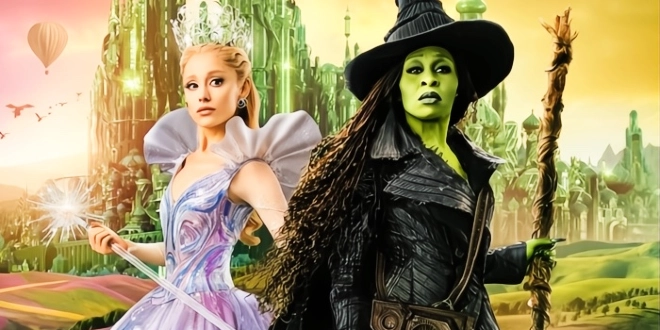
At the center is Elphaba, now exiled and vilified as the Wicked Witch of the West. Working from the shadows, she struggles to expose the truth about the Wizard, played with seductive charisma by Jeff Goldblum. Meanwhile, Glinda—still resting comfortably in her polished Emerald City persona—enjoys fame and adoration, guided by a brilliantly imperious Michelle Yeoh as Madame Morrible.
Performances That Outshine the CGI
Some of the film’s CGI elements still show strain, especially in scenes involving the Scarecrow, echoing concerns raised after Part One. Yet none of the visual shortcomings overshadow the sheer magnetism of the two leads.
Cynthia Erivo commands the screen as Elphaba, delivering powerhouse vocals and a fiercely layered performance. Ariana Grande, leveling up from her acclaimed debut, blends her signature comedic timing with newfound emotional depth, enriching Glinda in ways fans haven’t seen before.
The supporting cast brings additional texture:
- Jonathan Bailey’s Fiyero offers thoughtful reflections on beauty and identity.
- Marissa Bode’s Nessarose grounds the film with tenderness in its quieter moments.
- Ethan Slater’s Boq remains a charming, earnest presence throughout.
New Songs, Symbolic Costumes, and a Nod to Oz Tradition
While For Good doesn’t deliver the same lineup of instantly iconic numbers featured in the first film, Stephen Schwartz introduces memorable additions. Elphaba’s aching No Place Like Home and Glinda’s introspective Girl in the Bubble both stand out—emotionally potent, if not quite as show-stopping as earlier entries.
Oscar-winner Paul Tazewell once again elevates the world of Oz with extraordinary costume design. Every garment feels symbolic: Elphaba’s nature-themed attire, Glinda’s butterfly-trimmed gowns, and the richly woven details embedded throughout the Emerald City aesthetic.
In a small but deliberate moment, the film introduces Dorothy Gale, offering a clever bridge between Chu’s duology and the broader Oz mythology—a subtle wink for longtime fans.
A 298-Minute Farewell with Courage and Heart
At nearly five hours across both installments, Chu’s adaptation concludes with emotional weight and thematic courage rather than simple spectacle. Wicked: For Good delivers a layered, resonant ending that honors the source material while forging its own cinematic legacy.
In the end, the saga closes not with a rainbow, but with questions of identity, truth, and what it really means to be “good”—making the final chapter of Wicked as thought-provoking as it is enchanting.