 The Green Post Ireland
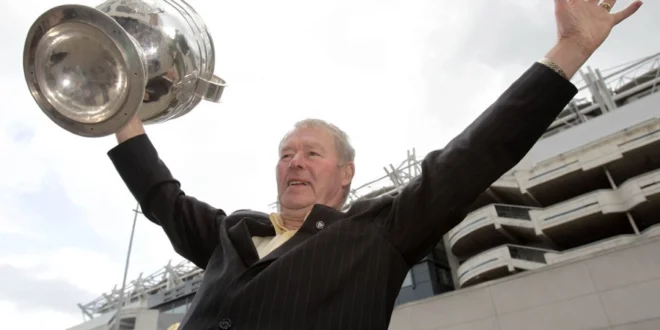
A new initiative using historic GAA match commentary is aiming to help people living with dementia reconnect with powerful personal memories. The project, called The Replay, brings together decades of iconic commentary from legendary broadcaster Mícheál Ó Muircheartaigh, turning the sounds of Ireland’s biggest sporting moments into a tool for reminiscence therapy.
Unveiled at Croke Park, the online audio platform allows listeners to revisit All-Ireland football and hurling finals spanning a 25-year period. For many Irish families, those matches represent shared cultural memories, and developers believe the familiar voices and atmosphere could help stimulate emotional recall among people affected by dementia.
The initiative reflects a growing understanding that memory can often be triggered through familiar sounds, storytelling, and emotionally significant events, even when other forms of recall become more difficult.
Turning sporting history into memory therapy
The Replay was developed through a collaboration between The Alzheimer Society of Ireland, the Gaelic Athletic Association (GAA) and RTÉ Archives, with the support of the Ó Muircheartaigh family.
The platform compiles commentary from All-Ireland finals between 1985 and 2010, capturing some of the most memorable moments in modern GAA history. Users can search recordings by year, county, or specific match, making it easy for families and carers to find games that hold personal meaning.
For individuals living with dementia, those connections can be powerful. Familiar voices, stadium atmospheres and match narratives can trigger recognition and conversation, helping people reconnect with memories tied to community, family, and local pride.
The platform’s designers say the goal is not only to support people already living with dementia but also to promote positive ageing and long-term brain health more broadly.
A family legacy continues
For the family of Mícheál Ó Muircheartaigh, one of the most beloved voices in Irish sports broadcasting, the project carries special significance.
His son Eamonn Ó Muircheartaigh said hearing the recordings again outside Croke Park brought back powerful emotions. Even decades later, the commentary still carries the excitement and drama that defined generations of GAA supporters.
He recalled accompanying his father to matches as a child and helping keep track of scores during the games.
For him, the idea that those recordings can now bring comfort and happiness to people living with dementia adds a deeper meaning to his father’s work.
Connecting communities through shared memories
The creators of The Replay hope the platform will become a resource not only for carers and families but also for communities looking to support people affected by memory loss.
Sport often acts as a shared language across generations in Ireland. Matches remembered vividly by supporters in their youth can still carry emotional weight many years later, making them ideal material for reminiscence therapy.
By making those historic moments accessible in a simple, searchable audio archive, the project aims to turn the familiar rhythm of GAA commentary into something more than nostalgia — a way to reconnect people with moments that helped shape their lives.
For many listeners, hearing the roar of Croke Park or the voice of Ó Muircheartaigh describing a dramatic score may do more than replay history. It may help bring back memories that seemed lost.