 The Green Post Ireland
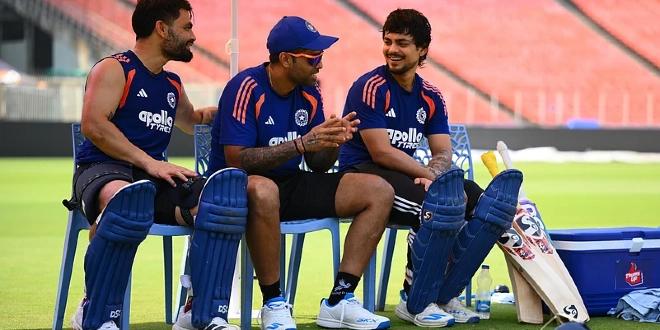
This looks like a proper T20 final: big hitters, pressure overs, and a surface in Ahmedabad that can reward clean batting early before becoming a little less straightforward later on. India arrive with momentum and home support, but New Zealand come in with real confidence after flattening South Africa in the semi-final.
India’s recent scoring has been explosive, pushing beyond 10 runs per over across their last five matches, while New Zealand’s edge is that they rarely look rattled by the moment. The angle here is simple: India deserve favoritism, but the market may be leaning a bit too heavily into that story.
The recent numbers point to a very live final
India’s last stretch has been louder. They put up 253 against England, 199 in a chase against West Indies, 256 against Zimbabwe, 193 against the Netherlands, and 175 against Pakistan. New Zealand’s recent run has been a little less dramatic on paper, but still strong, especially when you include the semi-final hammering of South Africa and the earlier wins over Sri Lanka, Canada, and Afghanistan.
That leaves the game with an interesting contrast. India have the bigger scoring ceiling, while New Zealand look a touch more comfortable playing “the situation” instead of forcing the pace every over. In a final, that matters.
| Phase | Team A (India) | Team B (New Zealand) |
|---|---|---|
| Powerplay Run Rate | 9.8 | 9.2 |
| Death Overs Economy | 9.4 | 8.8 |
| Wickets per Match | 6.6 | 6.8 |
These are form-based matchup indicators rather than official tournament tables, but they fit the recent pattern well: India start faster, New Zealand have looked slightly calmer with the ball late on, and the wicket-taking profiles are very close.
Pitch angle: this does not feel like a one-speed final
Ahmedabad has recently produced serious runs in this tournament, and broader venue references still point to a ground where batters can score freely before the pitch slows a bit as the innings goes on.
One recent venue record line shows a T20I high of 253/7 there, which tells you enough about the ceiling, while current preview coverage still expects a batting-friendly strip with some slowing later and at least a hint of dew in the evening.
That is why the powerplay matters so much here. If India get one of their fast starts, they can put New Zealand under scoreboard pressure quickly. But if New Zealand survive that first wave and drag the game into overs 11–16 without losing shape, the final becomes much more even than the headline odds suggest.
Market angle: India are rightful favorites, but maybe a bit too short
Available market pricing shows India around 2/5 and New Zealand around 11/5 for the final. That converts to raw implied probabilities of about 71.4% for India and 31.3% for New Zealand. After normalizing for margin, that comes out to roughly 69.5% India and 30.5% New Zealand.
My estimated probability is a bit tighter:
- India: 64%
- New Zealand: 36%
So the market story is understandable — India are at home, in form, and coming off another huge batting display — but I think New Zealand are being priced a little too cold here. They have already chased 170 against South Africa in only 12.5 overs in the semi-final, and Finn Allen’s hundred in that game showed how dangerous they are if they win the first six overs.
Macro format context and where the risk sits
T20 finals are often sold as star-player games, but they are usually decided by one messy patch. A collapse phase of 3 wickets in 12 balls can undo a brilliant start. A dew-heavy second innings can make even good death bowling look ordinary.
And the toss, especially in Ahmedabad at night, can move the shape of the whole match because chasing becomes more comfortable once grip disappears. Recent Ahmedabad weather reporting around this tournament has pointed to dry conditions overall, but also the possibility of evening dew rather than rain disruption.
Alternative bets
Toss impact
This is the biggest swing factor. If the chasing side gets a cleaner ball and easier boundary access late on, the pre-match edge can narrow fast.
Dew factor
Even slight dew matters in T20. It affects grip, yorker execution, and spin control. That especially matters if the side defending needs variations rather than pure pace.
Collapse phase
Both teams have enough hitters to recover from one wicket. Three wickets in a short burst is different. That is the phase where finals usually flip.
India have the stronger overall profile, but finals are rarely won by reputation alone, and this price leaves just enough room to look the other way.
Final Prediction
- Final Prediction: India to win, but in a much tighter final than the odds suggest.
- Best Bet: New Zealand to win at bigger price.
- (Optional Alternative): New Zealand + runs handicap, especially if India bat first.