 The Green Post Ireland
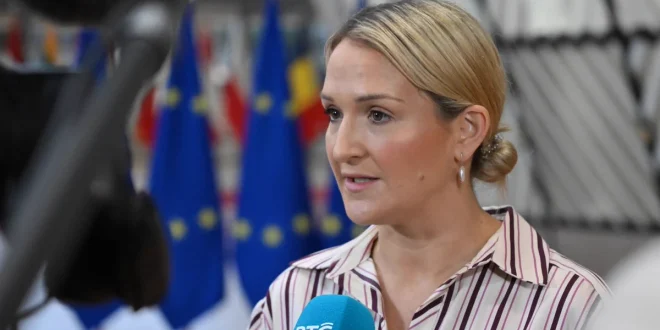
Irish troops should continue serving in Lebanon under a proposed European Union mission after the United Nations peacekeeping operation ends, Minister for Foreign Affairs and Defence Helen McEntee has said.
McEntee indicated that Irish personnel could undertake both peacekeeping and peace enforcement duties as part of the new mission, but warned that changes to Ireland’s Triple Lock system would be necessary for participation.
Her comments come as the United Nations Interim Force in Lebanon (UNIFIL) prepares to conclude its mandate at the end of 2026, with Irish Defence Forces personnel expected to withdraw by Easter 2027.
McEntee Backs Continued Irish Military Presence in Lebanon
Speaking on RTÉ’s This Week programme during a visit to Irish troops in Lebanon, McEntee said she wanted Ireland to maintain a military presence in the country.
She said Irish soldiers were keen to continue working alongside international colleagues and supporting the Lebanese Armed Forces.
EU foreign ministers approved plans for a new mission last month, according to the minister.
McEntee said Ireland would be unable to participate unless the Triple Lock system was reformed.
She also indicated that the proposed mission would likely involve both peacekeeping and peace enforcement responsibilities.
Triple Lock Reform Central to Lebanon Deployment Plans
Ireland’s Triple Lock system requires government approval, Dáil approval and a United Nations mandate for certain overseas military deployments.
The Government is seeking to remove the requirement for UN authorisation.
McEntee said she wanted the necessary legislation completed before the end of 2026 but insisted she did not intend to rush the parliamentary process.
She argued that overseas missions provide Defence Forces personnel with valuable opportunities to apply their training and gain operational experience.
Labour Raises Concerns About Irish Neutrality
Labour TD Duncan Smith challenged the Government’s approach, arguing that the debate over the Triple Lock involves broader questions about Ireland’s neutrality and international security commitments.
Smith acknowledged that removing the Triple Lock would not automatically make Ireland a member of a collective defence pact.
However, he warned that the proposed changes could weaken Ireland’s traditional commitment to United Nations-led peacekeeping.
He called for a wider national debate on neutrality, including consideration of a constitutional referendum.
Smith also argued that the Government should debate its national security strategy before proceeding with changes to the Triple Lock.
Irish Officials Describe Destruction in Southern Lebanon
McEntee and Defence Forces Chief of Staff Lieutenant General Rossa Mulcahy described extensive destruction they witnessed while travelling from Beirut to Camp Shamrock.
The minister said numerous homes and villages had been destroyed during the conflict, attributing the devastation to Israeli military operations.
She also expressed concern about the future of communities in areas affected by an Israeli-established buffer zone.
Mulcahy warned that the withdrawal of UNIFIL could leave communities in southern Lebanon increasingly vulnerable.
He described the UN mission as an important source of information and international oversight, saying its departure would place additional pressure on Lebanese authorities.
Irish Troops Prepare for Final UNIFIL Mission
During her visit, McEntee planned to meet Irish peacekeepers at their headquarters in southern Lebanon and present medals recognising their service.
She was also due to meet her Lebanese counterpart in Beirut and representatives of humanitarian organisations assisting people displaced by the conflict.
The future of Ireland’s military involvement in Lebanon now depends partly on the progress of Triple Lock legislation and the arrangements for the proposed EU mission.