 The Green Post Ireland
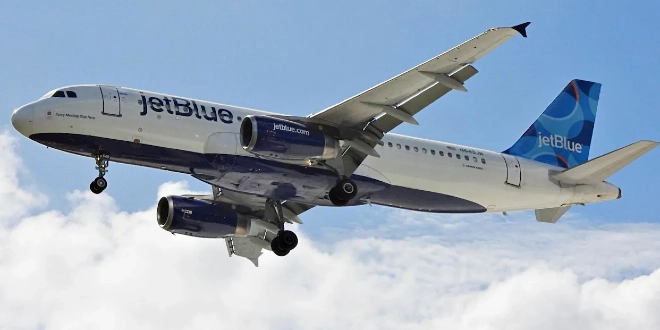
Airbus has instructed airlines to take urgent safety precautions on thousands of A320 aircraft following an in-flight incident involving a JetBlue jet last month. The European manufacturer said it has identified a vulnerability in the aircraft’s flight-control system that could be triggered by “intense solar radiation,” potentially corrupting data essential to stable flight operations.
The issue involves the Elevator and Aileron Computer (ELAC), a core component built by aerospace and defence company Thales. Airbus said that while replacing the software on most aircraft will take only a few hours, roughly 1,000 planes will require a longer and more complex upgrade process expected to last several weeks.
In its notice to operators, Airbus acknowledged that the corrective action is likely to cause “operational disruptions to passengers and customers,” adding an apology as airlines prepare for potential schedule changes and temporary groundings.
Airlines prepare for limited groundings as European regulator issues safety directive
The European Union Aviation Safety Agency (EASA), which certifies the A320 family, has issued a formal directive requiring carriers to update software as a precautionary measure. While not every A320 will need the modifications, EASA noted that many European airlines operate affected models and may have to remove them from service until the update is complete.
According to the agency, some aircraft will need to be taken out of rotation starting Sunday if the required software is not yet installed, a move that could lead to cancellations and delays across multiple carriers.
Aer Lingus confirmed that a small portion of its A320 fleet is impacted and said it has already begun the update process. The airline does not expect the issue to have a significant effect on its operations. The A320 remains the backbone of Aer Lingus’s short-haul fleet.
JetBlue incident reveals malfunction that triggered global review
Safety concerns intensified after an A320 operated by JetBlue experienced a sudden nose-down pitch on October 30 during a flight from Cancun to Newark. The aircraft was diverted to Tampa, Florida, where passengers received medical assistance for injuries reported by local emergency responders.
Investigators later determined the event was linked to a malfunction in the flight-control computer, prompting Airbus to conduct a deeper review of the ELAC system and issue the worldwide alert.
In service since 1988, the A320 family is the world’s best-selling commercial aircraft. As of September, Airbus had delivered 12,257 A320-series jets — narrowly surpassing Boeing’s 12,254 deliveries of the 737 family.
With thousands of A320s operating globally, even temporary groundings or short-term disruptions could ripple across international travel networks. Airlines are now racing to complete software updates as Airbus and regulators work to ensure no further incidents occur.