 The Green Post Ireland
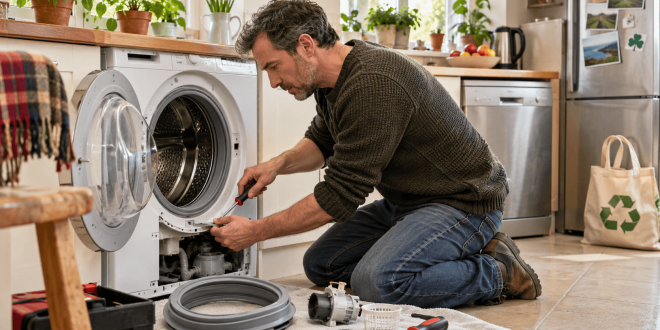
In kitchens and utility rooms across Ireland, a familiar scene plays out: the washing machine will not drain, the dishwasher leaves plates gritty or the fridge door will not close properly. For years, the default response was to price a replacement. Now, more households are choosing a cheaper option and fixing what they already own, often with spare parts from a specialist such as Fixpart.
That shift is being driven by rising household costs and growing concern about waste. A single broken seal or worn pump can send a bulky appliance to recycling long before the rest of it is finished.
Why repair makes sense for Irish households
Replacing a large appliance can be expensive, and it often comes with hidden extras like delivery fees, installation and the hassle of getting rid of the old unit. Repairing is often far more affordable when the fault is limited to one component.
Many Irish homes rely on one washing machine or one fridge for the whole household. Waiting days for a new appliance can be disruptive. A repair can get life back to normal sooner if the right spare part is available quickly.
Common faults that are often just a part swap
Not every job is suitable for DIY, but many everyday issues are straightforward if you work carefully and follow guidance.
Typical examples include:
- Washing machines: door seals, drain pumps, carbon brushes
- Dishwashers: filters, spray arms, door latches
- Fridges and freezers: door gaskets, shelves and drawers
- Vacuum cleaners: hoses, filters, floor heads
There is often a replaceable component behind the fault if the appliance still powers on and the problem is mechanical, such as leaks, poor sealing, blocked drainage or worn moving parts.
How to avoid ordering the wrong spare
For most people, the hardest part is not the repair. It is the fear of buying the wrong item.
The key detail is the model or type number. This is usually printed on a sticker or rating plate, often inside the door frame on washing machines and dishwashers, behind the salad drawer in fridges or on the underside or back of smaller appliances.
One important point is that the model or type number is not the same as the serial number. The model or type number is what helps you match compatible parts.
A specialist supplier can then narrow down the options. For people in Ireland looking for spare parts and accessories across many brands, Fixpart provides a large catalogue designed to help customers identify the right match and get appliances working again.
Safety checks before you start
Even a simple repair needs preparation. Unplug the appliance from the mains and switch off the water supply where relevant before opening it. Take photos as you go so you can reassemble confidently, and use the right tools so you do not damage clips or screws.
It is best to call a qualified technician if you are unsure about electrical components, water connections or anything that could affect safety.
Repair culture is growing locally
Across Ireland, more communities are talking about repair, from local swap groups to repair cafes and workshops that encourage people to keep products in use for longer.
Repairing a familiar appliance with the right part from Fixpart can be one of the most practical wins at home for households trying to stretch budgets and cut down on waste.
