 The Green Post Ireland
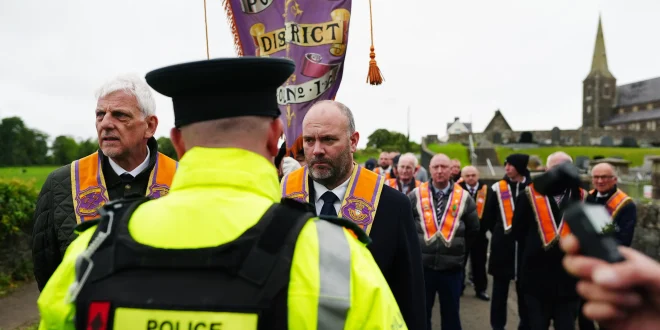
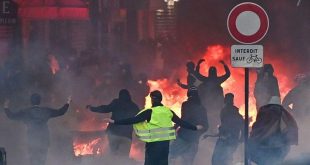
The Police Service of Northern Ireland (PSNI) feared that dissident republicans could use firearms and petrol bombs against officers attempting to clear protesters from the Garvaghy Road during a disputed Orange Order parade, Belfast High Court has heard.
The concerns emerged during a legal challenge brought by Portadown District of the Orange Order against the decision to ban the parade following a two-week standoff.
Police Intelligence Raised Concerns Over Potential Violence
The court heard that PSNI intelligence assessed it was highly likely that protesters would travel from across Northern Ireland to oppose the parade.
Richard McConkey KC, representing the Orange Order, said the assessment also indicated that dissident republicans were almost certainly among those blocking the Garvaghy Road.
According to the intelligence summary, police considered it possible that individuals had access to firearms and could use guns or petrol bombs against officers if authorities attempted to remove the protesters.
The warnings were assessments of potential threats, not confirmation that an armed attack had been planned.
Orange Order Challenges Parade Ban and Police Chief’s Role
The legal action challenges Northern Ireland Secretary of State Chris Bryant’s decision to prohibit the parade following a request for reconsideration from PSNI Chief Constable Jon Boutcher.
The Orange Order also argues that Boutcher exceeded his statutory responsibilities by warning that allowing the parade could have catastrophic consequences for the Stormont Executive and the wider peace process.
McConkey told the court that protecting political institutions was not a policing function.
Unionist politicians and Orange Order representatives have accused authorities of yielding to threats of violence.
PSNI Defends Security Assessment
Representing the PSNI, Peter Coll KC defended the Chief Constable’s assessment, arguing that his concerns reflected the wider security and operational implications of the standoff.
He said police had considered the potential costs of the operation and the practical difficulties of safely facilitating the parade.
According to the PSNI’s legal team, the situation had reached a stalemate, with no viable operational means of completing the procession while meeting broader policing objectives.